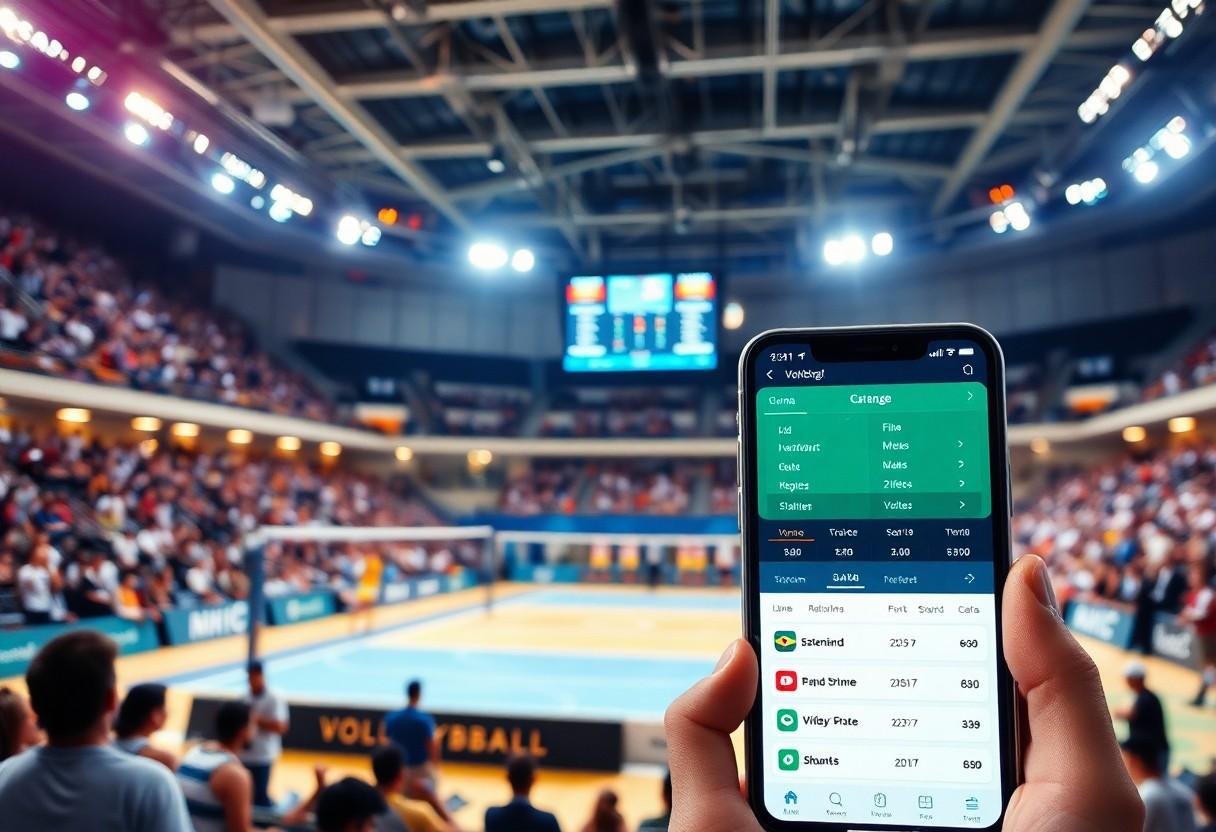

Why live wagering changes how you approach sports betting
Live wagering — also called in-play betting — puts you in the moment. Instead of predicting an outcome before a match, you react to what unfolds on the field, court, or track. That dynamic can create value if you move faster than the market, but it also introduces new risks: odds change quickly, emotions spike, and liquidity can dry up. As a beginner, your aim is to learn the rhythm of a sport and build a disciplined approach that keeps emotion out of your decisions.
Key concepts to master before you place your first in-play bet
Before you click a live bet, make sure you understand how these core elements affect your edge.
Odds movement and implied probability
- Odds are fluid: Bookmakers update prices as events happen. A goal, injury, or referee decision can swing odds dramatically in seconds.
- Convert odds to probability: Learning the implied probability behind decimal or fractional odds helps you judge whether a live price offers value.
Market liquidity and bet size
- Liquidity matters: Popular markets (major football matches, top tennis matches) have more cash and more stable prices. Smaller events can see wide spreads and failed bets.
- Staking limits: Your bet size should reflect both your bankroll and the likely liquidity of the market — you don’t want to move the price against yourself.
Speed of information and execution
- Low latency: Use a fast connection and a reliable bookmaker or exchange interface. Delays of even a few seconds can turn a value bet into a losing one.
- Live data vs broadcast delay: If you rely on a stream, be aware that it may lag behind the market feed; many serious live bettors watch the official feed or follow trusted live stats providers.
How to prepare: bankroll rules, markets to focus on, and tools you’ll use
Preparation reduces mistakes. Start with simple rules and incrementally add complexity as you gain experience.
- Bankroll management: Define a fixed bankroll for live wagering and size stakes as a small percentage (commonly 1–2%) of that bankroll per bet. That keeps a single mistake from derailing you.
- Choose a narrow focus: Pick one sport and one or two markets (e.g., next goal, match winner, set winner). Specializing helps you notice patterns and build intuition faster.
- Use the right tools: Multi-bookmaker accounts, a fast live stats feed, and a simple staking tracker are the essentials. Later you can add alerts or custom dashboards if you trade larger volumes.
- Practice in low-stakes modes: Many exchanges and apps allow small bets or demo environments — use them to practice execution and timing without risking significant funds.
With these basics in place, you’ll be ready to learn specific in-play strategies: how to read momentum, use hedging and cash-out wisely, and apply simple staking models to live situations.

Reading momentum and match context in-play
Momentum isn’t mystical — it’s a pattern of measurable events. For beginners, focus on a few concrete signals that reliably change short-term probabilities: scoring sequences, set or period wins, pressure events (shots on target, corners, break points), key substitutions or injuries, and time remaining. Learn which signals matter most in your sport and weight them appropriately.
- Soccer: a red card, a sustained run of corners or shots inside the box, or a key goalkeeper substitution usually changes expected goals and winner probabilities quickly.
- Tennis: consecutive break points or an opponent showing physical signs of fatigue often precede service breaks — these are good moments to trade a position or increase stake.
- Basketball/US sports: scoring runs, momentum after timeouts, and foul trouble have outsized short-term effects; consider possession and shot clock context when estimating comeback chances.
Use a simple checklist before you bet: what just happened (event), how many minutes/points remain (time horizon), and how reliable is the signal (sample size). If a momentum shift is based on a single fluke event (e.g., a stoppage-time deflection), be cautious; if it’s a sustained pattern (multiple shots, pressure, or tactical change) it’s more trustworthy.
Hedging, cash-out, and managing evolving risk
Hedging and cash-out tools let you manage risk as games change. They’re not always necessary, but used correctly they reduce variance and lock profits. Think of hedging as buying insurance: you sacrifice some upside to remove downside.
- Simple hedge example: you staked $10 on Team A at 3.0 (potential return $30, profit $20). Live, Team B’s odds are 2.0. To lock an equal profit across outcomes, calculate the hedge stake so net return is the same whether A or B wins. In this case you’d stake about $13.33 on Team B at 2.0, which yields an equal guaranteed return of roughly $16.67 regardless of the result.
- When to hedge: lock a profit when the market has shifted but the outcome still has reasonable uncertainty; hedge to cut a large potential loss when new information (injury, red card) materially worsens your pre-game thesis.
- Cash-out caution: cash-outs often include a hidden margin. Compare cash-out value to placing a counter-bet in the market — sometimes a targeted hedge yields a better result and lets you split exposure across markets (e.g., next goal, handicap).
Always factor in commissions, liquidity, and your bankroll rules before hedging. If you rely on fast execution, pre-calculate hedge sizes or have a simple calculator handy so you can act without freezing.

Live staking models: when to size up or stay conservative
Live staking should be adaptive but rules-based. Start with a baseline stake (1–2% of bankroll) and only increase when multiple independent signals move in your favour. Avoid doubling down purely to recover losses.
- Fractional Kelly for in-play: estimate your edge conservatively and apply a fractional Kelly (e.g., 10–25% of full Kelly) to avoid volatility. This scales stakes with confidence without risking ruinous drawdowns.
- Layering entries: place an initial small stake when momentum first appears, then add a second layer if the signal strengthens (another goal, sustained pressure). This controls entry price and limits overcommitment.
- Predefined stop-loss: set a maximum loss per event (for example 3–5% of bankroll) and a maximum exposure per match. If you hit the limit, step away — emotional chasing is the fastest path to losing form.
Consistent, modest sizing combined with clear rules about when to scale in or hedge will keep your live betting sustainable while you learn to read the market and identify real edges.
Putting the approach into action
Live wagering rewards patience, pattern recognition, and disciplined execution more than boldness. As you start, focus on consistent routines: pre-match preparation, a narrow market focus, small measured stakes, and a simple post-event review. Build your skillset one sport and one market at a time, and treat each session as a learning opportunity rather than a score to settle.
If you ever feel your betting is becoming a problem, reach out for support through responsible resources such as BeGambleAware. Staying mentally and financially healthy is part of being a successful long-term bettor.
Frequently Asked Questions
How do I convert live odds into implied probability?
To convert decimal odds into implied probability, divide 1 by the decimal odds (for example, 1 / 2.50 = 0.40, or 40%). For fractional odds, convert to decimal first (fractional + 1) then apply the same formula. Remember to adjust for bookmaker margin — the raw implied probability will slightly overstate true probability because of that margin.
When is it smart to hedge or use cash-out during a live event?
Hedge or cash-out when the market has shifted enough that your original edge no longer exists or when locking a profit meaningfully improves your risk-reward given new information (injury, red card, sudden momentum swing). Compare the cash-out offer to what you could achieve by placing a counter-bet — sometimes a manual hedge is cheaper and more flexible.
Which in-play markets are best for beginners?
Beginners should start with liquid, simple markets: match winner (in sports like tennis and basketball), next goal or next score in football, and set winner in tennis. These markets are easier to read, have more reliable live data, and usually better liquidity than exotic propositions. Stick to one sport and market while you build experience.