
How in-play betting changes how you experience live sports
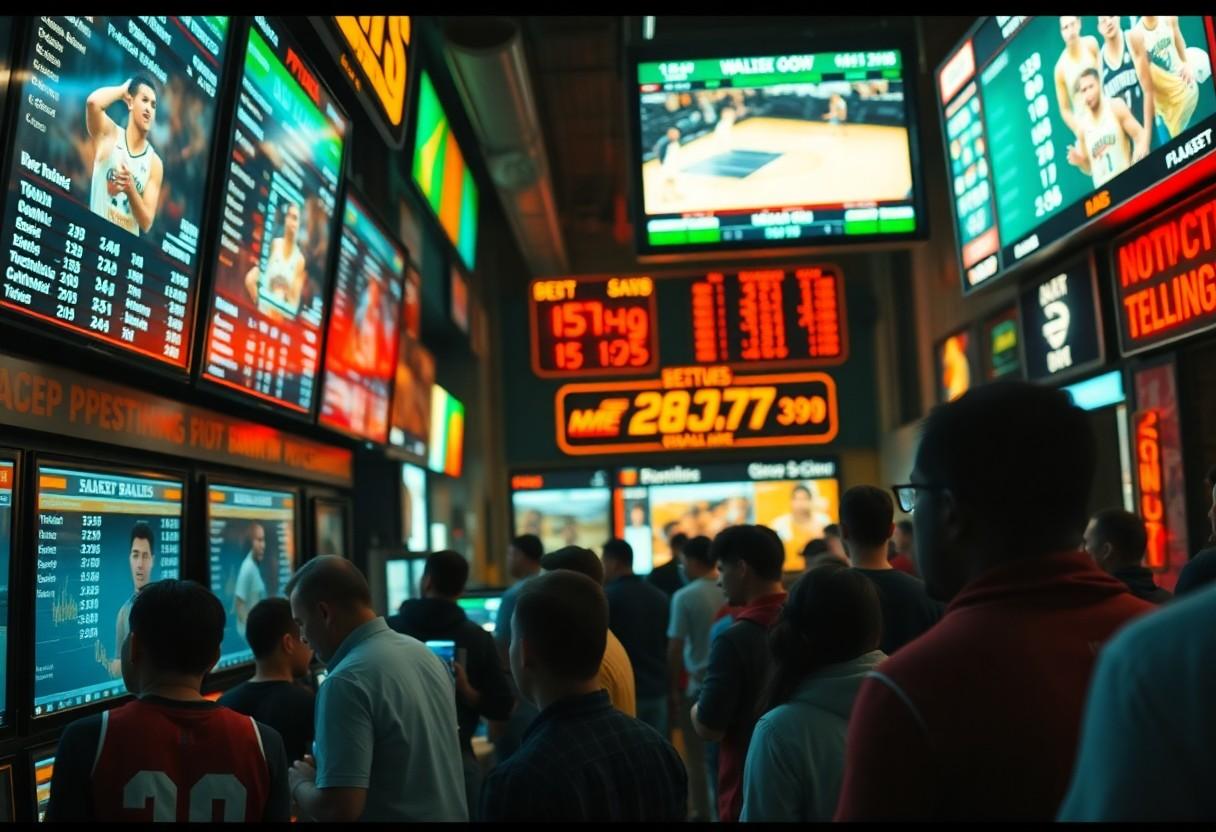
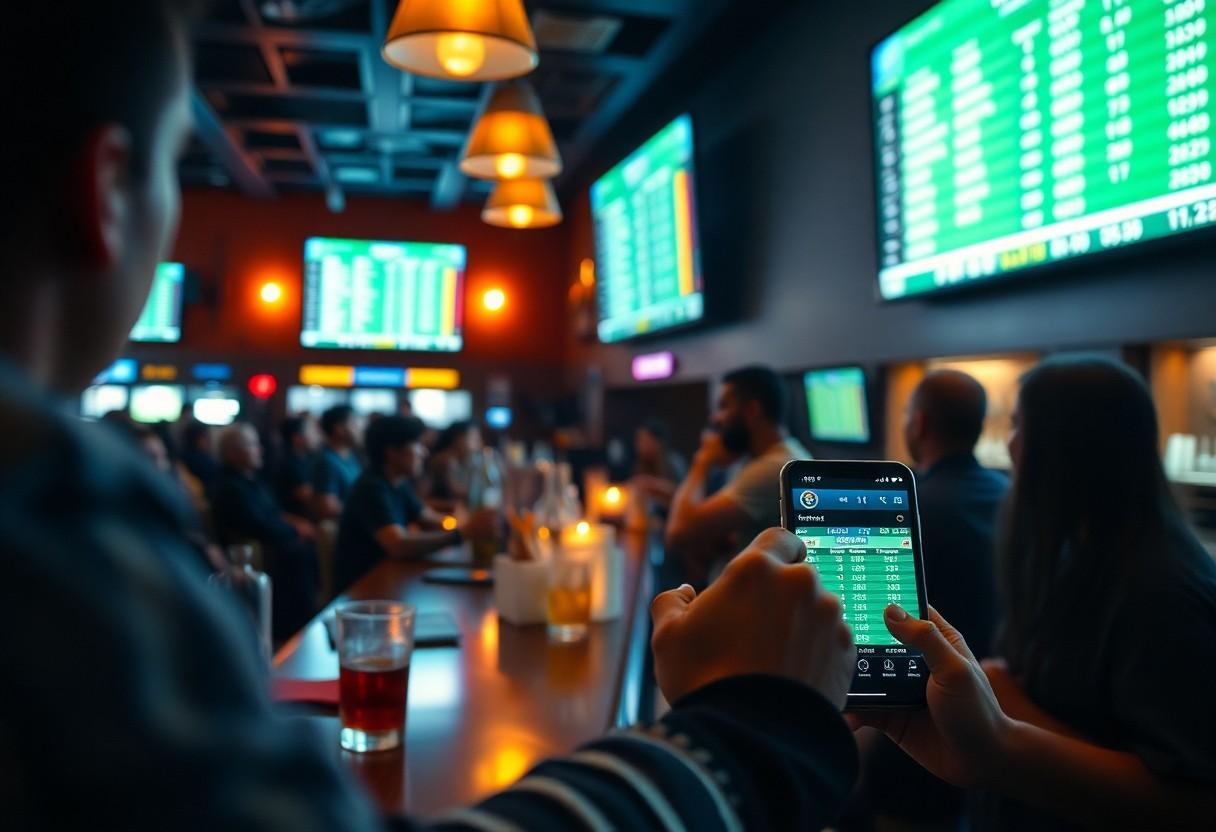
When you place a bet during a match rather than before kickoff, you enter the world of in-play (live) betting — a fast-paced market that updates odds, bet types, and limits in real time. Unlike pre-match wagering, in-play allows you to react to unfolding events: a red card, a momentum shift, or an unexpected substitution can create new opportunities (and risks) within seconds. Understanding the basic mechanics will help you assess whether a quick decision is informed or impulsive.
What you see and can do in a live market
Live markets are designed to give you constant options and immediate feedback. Bookmakers present a range of markets that evolve as the game unfolds, often grouped into pre-set categories to make navigation easier. Familiarizing yourself with common features helps you recognize patterns and avoid mistakes.
Common live betting features you’ll encounter
- Dynamic odds: Prices shift continuously to reflect current game states and bookmaker risk.
- Short-term markets: Markets such as “next team to score” or “next corner” close and reopen quickly based on play.
- Cash-out: Some operators offer partial or full cash-out options so you can lock in profit or limit loss before the event ends.
- Bet limits and availability: Stake sizes and which markets are available can change mid-game depending on liquidity and risk.
- Live statistics and visuals: Timely data (possession, shots, set pieces) and simple pitch graphics help you form a view of probability in real time.
How you should think about the live market
In-play wagering rewards quick but disciplined decision-making. You’ll want to balance reaction speed with a clear plan: identify the market you understand best, watch how odds respond to repeated events, and set mental or stake limits so short-term swings don’t derail your strategy. Remember that bookmakers adjust odds not only based on the sport action but also based on money flow from bettors like you.
How bookmakers and traders shape the odds you see
The live odds on your screen are a product of several linked systems. Traders (human and algorithmic) monitor feeds of statistical events and incoming bets, then update prices to reflect both the changing probability of outcomes and the need to balance liability. Key elements include data feeds, automated pricing models, liquidity management, and latency control — each of which affects responsiveness and fairness of the market.
In the next section, you’ll look more closely at the technology — data feeds, algorithms, and latency — that power live pricing and how that technology influences what you can reasonably expect when placing in-play bets.
The tech behind live pricing: data feeds, models, and latency
At the heart of every in-play market is a stream of raw events — goals, fouls, corners, point scores — delivered by specialist data providers. These feeds come from human scorers, optical-tracking systems, or a hybrid of both, and they vary in speed and accuracy. Traders plug that incoming data into pricing engines: automated models that translate events and evolving match-state statistics into new probabilities and, from there, new odds. Machine-learning components may weight contextual factors (team form, fatigue, prior substitutions) while rule-based systems enforce minimum margins and risk thresholds.
Latency is the critical practical constraint. Several types matter: the time it takes a stadium event to be recorded and transmitted (feed latency), the milliseconds a pricing engine needs to recalculate prices (processing latency), and the delay between a bookmaker updating their front-end and a user’s device receiving it (network/stream latency). Those milliseconds can create visible consequences: prices “flicker,” bets submitted at one price may be matched at another, or bookmakers may refuse or void wagers placed on stale information. Bookmakers work to minimise these effects — using fast feeds, colocated servers, and rate-limited updates — but some lag is inevitable.
Latency also opens two practical outcomes for bettors. First, you’ll sometimes see “better” odds on slower platforms: if a bookmaker’s update is behind the true state of play, sharp punters can briefly lock value until the line corrects. Second, broadcasters’ TV feeds are often several seconds behind live data, so placing bets only after seeing an event on television can cost you the price you expected. The safe approach is to trust the operator’s live scoreboard or in-app tickers rather than external streams, and to accept that real-time markets move faster than visuals.

How traders manage risk — and what that means for your bets
Live traders are essentially real-time risk managers. Their job is to keep the book balanced so the operator’s liability is controlled regardless of the outcome. To do that they use a toolbox of tactics: automated hedging (placing offsetting bets on exchanges), dynamic limits (reducing stakes for volatile markets), and temporary market suspension when an event creates extreme uncertainty. When action is predictable — a dominant team continuing to press — traders may tighten margins; when action is chaotic, they widen spreads to protect themselves.
The shape of these protections determines much of what you experience. If a sudden red card makes one outcome far more likely, you may see odds collapse quickly, stakes limited, or a market suspended while traders digest the change. Likewise, when many bettors pile onto one selection, bookmakers will push the price to encourage counter-bets and discourage further exposure. That’s why “public money” often drives short-term moves as much as the on-field reality.
For practical bettors this has several implications. Small, nimble bets are less likely to move lines; large wagers will either be partially matched or trigger trader intervention. Comparing odds across multiple operators and using exchanges can reduce the impact of a single bookie’s risk management. And because traders aim to deter persistent winners, successful in-play players should vary their approach, keep stakes proportional to perceived edge, and avoid forcing action in markets with low liquidity or frequent suspensions. Understanding these mechanics helps you recognise when the market is reflecting true probability — and when it’s mostly managing someone else’s risk.

Practical tips for in-play bettors
- Pick a small set of markets you understand well and focus on them rather than spreading attention too thinly.
- Use the operator’s live scoreboard and in-app tickers rather than TV broadcasts to avoid being misled by stream delay.
- Set stake and loss limits in advance and stick to them — short-term volatility can erode discipline quickly.
- Compare prices across multiple operators and consider exchanges for hedging or getting better fills.
- Use cash-out selectively as a risk-management tool, not a default strategy to lock value.
- Keep a record of your in-play bets (market, timing, stake, outcome) so you can learn what works and what doesn’t.
Final thoughts on live wagering
In-play betting is a real-time skill that rewards preparation, calm decision-making, and constant learning. Treat it like any fast-moving activity: design rules that protect your bankroll, be mindful of latency and market mechanics, and keep emotions out of split-second choices. For guidance on responsible play and legal frameworks in your jurisdiction, consult reputable sources such as the UK Gambling Commission.
Frequently Asked Questions
How does latency affect the price I get when placing an in-play bet?
Latency occurs at several stages — event capture, processing by pricing engines, and delivery to your device — and can cause the odds you see to differ from the operator’s current internal price. That can mean your bet is accepted at a worse or better price than expected, or rejected. To reduce surprises, rely on the bookmaker’s official live data, be cautious when betting immediately after visible events, and compare providers if you need consistently faster updates.
Are cash-out offers usually good value?
Cash-out prices are set by the operator and incorporate their margins and risk management. They often reduce variance and lock profit or limit loss, but they are not necessarily the same as the expected value of letting the bet run. Use cash-out mainly for managing exposure or when you have a clear reason to lock in a position, rather than as a default way to maximize long-term returns.
Can I reliably exploit slow updates or use arbitrage in live markets?
Exploiting temporary delays can sometimes produce short-lived edges, but it’s risky and not reliably repeatable. Bookmakers monitor patterns, limit or void suspicious wagers, and adjust latency and pricing protections. Exchanges or professionally supplied low-latency feeds are safer tools for sophisticated strategies, but they come with their own costs and requirements. For most bettors, disciplined selection and stake management are more sustainable than chasing brief technological advantages.