

Make every moment an edge: how real-time odds change the in-play landscape
You already know that pre-match research matters, but in-play betting is a different animal. Real-time sports betting gives you the chance to react to momentum swings, injuries, tactical changes, and other unfolding events. Live odds — the continuously updated prices sportsbooks publish during a game — reflect what the market and the bookmaker think will happen next. If you learn to read and interpret those odds quickly, you can turn short-term market inefficiencies into profitable in-play decisions.
Live odds are not just numbers: they are signals. They compress information about player form, team tactics, time remaining, and market sentiment. When an underdog’s odds shorten after a surprise goal, that shift tells you something about probability and perceived value. Your job is to separate reflexive market moves from meaningful probability changes, then act where value exists.
How live odds move and what to watch first
To use live odds effectively, you need to understand why they move. Odds fluctuate for a few basic reasons:
- Game events: Goals, fouls, red cards, and injuries trigger immediate re-pricing.
- Time decay: As a match approaches the final whistle, the range of plausible outcomes narrows and markets respond accordingly.
- Market flow: Heavy betting on one side forces sportsbooks to shift prices to manage liability.
- New information: Substitution patterns, weather changes, or updates from other matches can change probabilities mid-game.
Quick signals that often matter more than raw odds
When you’re watching live markets, prioritize these signals because they tend to be actionable faster than complex models can update:
- Immediate reaction to a red card: Odds often over-correct in the first 60 seconds. You can sometimes find value by waiting for stabilization.
- Momentum shifts after a substitution: A fresh attacker or a tactical change can alter win probabilities in the short term.
- Line moves without a clear game event: Sudden price movement without visible cause can indicate large-money bets or insider information; treat these with caution.
Simple habits to build your live-odds skillset
- Watch the match and odds feed simultaneously so you link events to price changes.
- Track market latency across sportsbooks — some update faster than others.
- Use small, disciplined stakes initially to test how your read of live odds performs in real time.
By treating live odds as a dynamic signal rather than a static number, you’ll start spotting brief windows where the market misprices outcomes and you can press an edge. Next, you’ll learn specific tactics, staking plans, and the best tools to monitor live lines so you can convert those windows into consistent in-play wins.
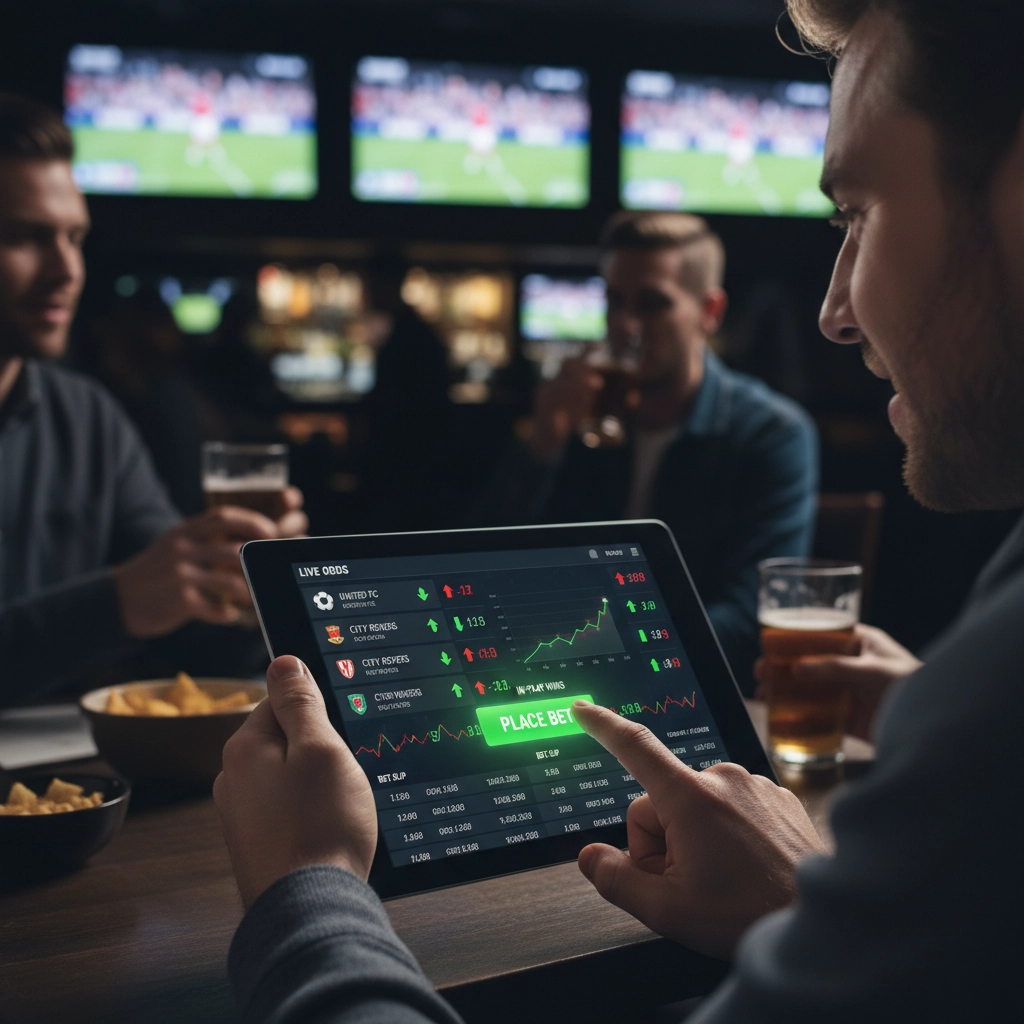
Tactical plays to exploit short-lived mispricings
Once you’ve trained yourself to spot odds that look temporarily mispriced, you need a short list of actionable plays that fit different sports and situations. Treat these as templates rather than rules — pick the one that matches the event and execute with discipline.
- Scalp the swing: After a big event (goal, turnover, injury), wait 15–60 seconds for the obvious overreaction to settle, then place a small back/lay or opposing bet to capture the price reverting. Works well in football and tennis where outcomes are discrete.
- Momentum entry: In sports with rapid scoring (basketball, hockey), jump on market movement that aligns with clear momentum — e.g., a clutch lineup on court — but size the stake to account for quick reversals.
- Hedge when implied value flips: If your pre-match bet becomes exposed after a swing and the live price offers a profitable closing lay/back, lock in profit or cut loss rather than waiting for variance.
- Exploit time-decay windows: Late in matches, probability ranges narrow. If a repeated tactic (set-piece advantage, last-minute substitutions) creates a predictable outcome, small, high-confidence bets can be effective.
- Fade blind market moves: When odds shift without a visible cause, treat them skeptically. Either avoid or place reduced stakes anticipating reversal when the market corrects.
Execution matters: use the smallest practical stake while you test a tactic, note your entry/exit times, and record why you acted. Over time you’ll recognize which plays are signal and which are noise.
Staking rules and risk controls designed for live action
Live markets are volatile and forgiving only to disciplined bankroll management. Your staking plan should reduce tilt risk, protect variance, and scale stakes to the confidence of the live read.
- Unit sizing: Keep live stakes smaller than pre-match — common advice is 0.5–1 unit for in-play where 1 unit equals your standard pre-match stake.
- Fractional Kelly for live bets: If you use Kelly, scale it back aggressively (10–25% Kelly) in-play to account for higher uncertainty and shorter time horizons.
- Maximum exposure per event: Set a cap (e.g., 5–10% of bankroll) on total money at risk in a single match to prevent catastrophic swings from player injuries or referee decisions.
- Pre-defined stop-loss and profit targets: Decide before placing a bet when you’ll close a position — e.g., accept a 30% drawdown or take profit at 50% gain — and stick to it.
- Avoid chase bets: If a live loss triggers emotional betting, step away or cut stake sizes until you’re back to baseline decision-making.
Tools and feeds that shorten the odds-to-action loop
Speed and information breadth are your competitive advantages in live betting. Build a compact tech stack that minimizes latency and surfaces relevant signals instantly.
- Multi-book odds feed: Use an odds comparison service or API that updates quickly so you can spot the best price across books.
- Low-latency sportsbooks: Identify one or two books that consistently update fastest for the sport you trade — they’re often the market leaders for that league.
- Live data and video: Stream the match when possible and pair it with a live statistics feed (possession, shots, expected goals) to validate market moves.
- Alerts and screen layout: Configure price alerts for your target lines and use a multi-column layout to watch several markets simultaneously.
- Automation tools: Consider bots or VPS hosting for execution if you scalp frequently; manual speed limits how often you can profitably act.
Combine the right tactics, conservative staking, and a lean tech stack and you’ll convert fleeting odds inefficiencies into measurable in-play gains.

Putting strategy into action
Live betting rewards habits more than hunches. Build a short pre-match checklist (preferred books, market alerts, stake size), then commit to small, repeatable experiments during live play. Track entries, exits, and the signal you relied on so you can separate genuine edges from noise.
Focus on three simple daily routines: watch one market live while noting odds reaction, review a single session’s results with clear metrics (ROI, hit rate, average hold), and adjust one variable at a time — stake, timing, or market choice. Over weeks these small changes compound into a reliable approach.
Tools matter but discipline matters more. Use fast feeds and compare prices with reputable odds comparison services, but protect your bankroll with strict exposure caps and pre-set stop rules. With a calm process and steady record-keeping, fleeting in-play opportunities become repeatable gains.
Frequently Asked Questions
How fast do I need my odds feed to be for effective in-play betting?
You don’t need millisecond-level access unless you’re algorithmic scalp trading. For manual in-play decisions, books that update within a few seconds of game events are usually sufficient. Prioritize consistency: pick one or two low-latency sportsbooks for the leagues you trade and use an odds comparison feed to spot outliers.
What staking model is safest for live markets?
Live markets are higher-variance, so reduce stake sizes compared to pre-match bets. Common practice is 0.5–1 of your normal unit and to apply a scaled-down Kelly (10–25%). Also set maximum exposure per event (e.g., 5–10% of bankroll) and use explicit stop-loss/profit-take rules to prevent emotional decisions during volatile swings.
When should I avoid placing in-play bets?
Skip live bets when you can’t clearly link a game event to the odds move, during unexplained or very thin market moves, while tilted or fatigued, or on markets with poor liquidity and delayed updates. Conserving capital in these moments preserves your ability to act when high-quality edges appear.