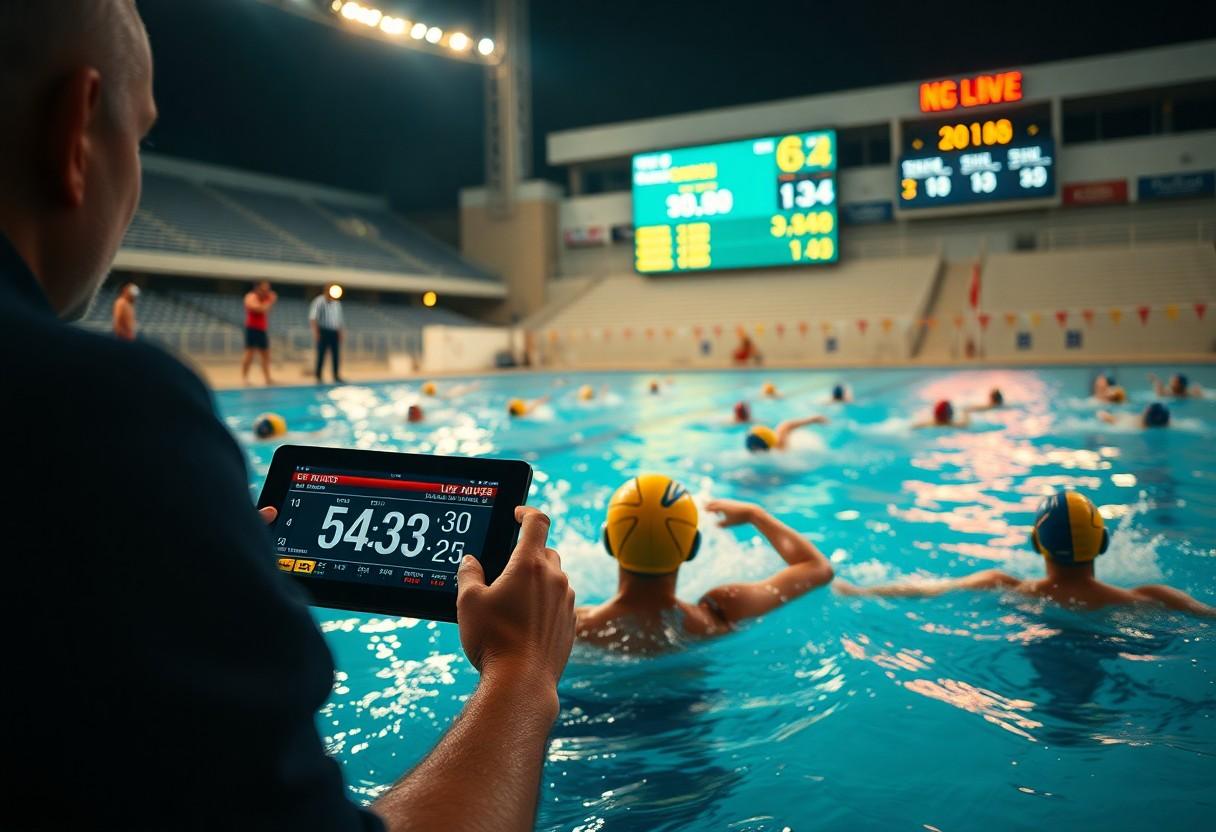
This guide teaches how to exploit live odds and match flow to profit from water polo’s rapid momentum swings. Learn to identify value opportunities, apply strict bankroll discipline, make fast, evidence-based calls, and steer clear of dangerous traps like late-match fatigue and referee-driven penalties that can distort live markets.

Types of Water Polo Betting
Markets range from pre-match moneyline and full-game handicap to period-specific and in-play totals and player props. Bookmakers often set totals near 12-20 goals in senior leagues and adjust spreads by ±1-2 after early exclusions. Assume that live odds respond fastest to exclusions, power plays and goalie substitutions.
- Moneyline
- Handicap
- Totals
- Player props
- Live micro-markets
| Moneyline | Straight winner bet; low volatility pre-match but can swing after a red card or injury. |
| Handicap (Spread) | Commonly ±1-2 goals; useful to back underdogs or fade favorites after early momentum shifts. |
| Totals (Over/Under) | Lines often set 12-20; adjust when a team shows high shot rate or weak defensive rotations. |
| Player Props | Goals, assists, saves-valuable when a starter goalie is benched or a top scorer is hot. |
| Live Micro-Markets | Next-goal, next-exclusion, quarter-winner; high-frequency opportunities for fast, small stakes. |
Traditional Bets
Pre-match wagering centers on moneyline, full-game handicap, and totals. Lines reflect season scoring averages and head-to-head history; for example, a defensive-heavy matchup may open with totals near 12, whereas two high-tempo teams push totals above 18. Line shopping and checking goalie availability often yields the best value.
Live Betting Options
In-play markets deliver quarter-winner, next-goal, and dynamic handicap shifts; bookmakers adjust odds after each exclusion or substitution. Successful live bettors use rapid-data feeds and scale stakes when a clear pattern-such as consistent man-up scoring-emerges, while watching for odds drift.
Monitor man-up frequency and conversion history: if Team A has converted 6 of 10 power plays this season, a freshly awarded exclusion can compress their live odds within seconds. Track goalie save rates and shot attempts per minute to quantify momentum; exploit brief market lag by placing targeted, small-size bets and increase exposure only when multiple indicators align, guarding against sudden reversals.
Key Tips for Smart Live Betting
Prioritize immediate, quantifiable edges: track the clock, exclusions, substitutions and live odds; a single 20‑second man‑up often shifts expected goals by >0.4 in elite matches. Monitor market moves and target opportunities when you see >15-20% odds drift, sizing stakes to remaining time and volatility. Any bet should reflect remaining minutes, momentum indicators and a clear numerical edge.
- live betting
- water polo
- in-play strategy
- player performance
- momentum
- odds movement
Understanding Game Dynamics
Anticipate momentum swings tied to structure: matches have four 8‑minute quarters and frequent 20‑second exclusions, while there are 4 quarter-start sprints that set initial possession patterns. Teams often pull the keeper for an extra attacker in the last ~90 seconds, increasing variance; weigh scoreline, time‑to‑go and recent exclusion sequences to exploit short windows of value.
Analyzing Player Performance
Prioritize live metrics: a goalkeeper with a save % above ~55% lowers total goals expectancy, whereas attackers converting >40% of shots become strong same‑player or next‑goal targets. Track exclusions drawn, sprint wins and foul accumulation to gauge fatigue and matchup edges, using recent‑period splits (last 10 minutes) for urgent decisions.
Dig into micro‑situations: if a center forward registers 3 goals from 4 shots in the first half (75%) while the opposing keeper sits at ~45% in that span, that player’s next‑goal probability rises materially-especially when the opponent has two players on exclusion and substitution patterns show defensive gaps; adjust stake size proportional to the estimated expected‑goals swing (e.g., >0.3) and current odds.
Step-by-Step Guide to Live Betting
| Step | Action |
| Overview |
Follow a disciplined sequence: pre-game scouting, monitor first-quarter momentum, target power-play odds, then size stakes based on live volatility. For example, if a favorite concedes a 0-2 lead and odds swing +0.5 within 5 minutes, consider a small hedge sized to 1-3% of bankroll. Prioritize fast line moves and power-play conversions as primary signals. |
Pre-Bet Preparation
Scan the last 3 head-to-heads and recent form: teams averaging 10-14 goals each per match, keeper save rates around 45-55%, and typical exclusions ~6 per team. Confirm the starting goalkeeper and any late scratches; a bench with heavy rotation increases late-game volatility. Set a clear staking plan (1-3% per live wager) and predefine cash-out thresholds to avoid impulse reactions when momentum flips.
In-Game Strategy Adjustments
Shift tactics by quarter: if the favorite leads but shows weak power-play defense, pivot to live over/under or next-quarter props. Hedge when a position gains ~30-40% profit or when the opponent earns consecutive exclusions; reduce stake size after two rapid swings. Use quarter-specific stats-teams that win Q3 six of their last eight outings often offer exploitable live value.
When adding detail, watch substitution and foul patterns: a keeper substitution at ~6-8 minutes into a quarter often correlates with a 20-30% rise in conceded goals that period. If Team A converted 4 of 6 power plays in its last three matches, target those live markets when the opponent is down a player. Beware stream delays over 8-10 seconds and rapid odds spikes; they signal increased risk and require trimmed stakes or standing aside.
Factors Influencing Live Betting Success
- Live betting reacts to momentum swings-short bursts like a 3-0 run in a quarter can flip in-play lines within 90 seconds.
- Water polo specificity: frequent exclusions (typically 12-15 per match) and man-up conversion rates drive immediate odds changes.
- In-play odds move faster when a goalkeeper is subbed or injured, since saves-per-shot can change expected goals by up to 20%.
- Match context matters: tournaments with compressed schedules increase fatigue, altering first-quarter intensity and substitution patterns.
- After a team concedes multiple exclusions in one quarter, betting value often appears on the opponent before markets fully adjust.
Team Statistics
Focus on team statistics that shift during a match: exclusions per quarter, man-up conversion (often decisive), shots-on-goal, and counterattack rates; teams averaging 10+ counterattacks per game typically produce faster scoring swings. Use live overlays of these stats-if a side drops from 50% to 30% shooting in two quarters, odds will lag actual win probability, creating exploitable edges.
Environmental Considerations
Pool depth (standard ≥1.8 m), water temperature (ideally 25-28°C), indoor vs outdoor venues, and crowd proximity all alter style and tempo; outdoor sun glare or colder municipal pools slow ball handling and favor physical, defensive teams. Track venue type and recent match data-home crowd influence often lifts precision in power plays.
More granularly, teams traveling long distances or arriving the same day frequently show reduced early-game intensity, while older pools with lower water temps can reduce shot velocity by noticeable margins. Historical patterns show home teams win slightly more than half their matches (~55%), so combine venue effects with travel timing and pre-match warm-up reports to refine live wagers.
Pros and Cons of Live Betting on Water Polo
| Pros | Cons |
|---|---|
| Exploit immediate value after exclusions or momentum shifts | Very fast odds swings can erase value within seconds |
| Hedge pregame positions and scalp small profits in-play | Short reaction windows increase latency risk |
| Smaller markets often misprice situational events | Higher bookmaker margins and reduced limits live |
| Use live observation (body language, bench calls) for edges | Emotional tilt after swings leads to poor sizing |
| Capitalize on set-piece frequency (power-plays, penalties) | Frequent referee discretion and rule nuance cause disputes |
| Short-run strategies work: back-to-lay, goal-line scalps | Requires continuous attention; fatigue raises errors |
| Data like exclusions and shot chains are actionable live | Streaming lag (3-7s) can turn an edge into a loss |
| Ability to react to injuries or tactical switches instantly | In-play stake limits and account restrictions are common |
Advantages of Live Betting
Rapid observation of a 20-second exclusion or a team timeout creates clear entry points: bettors can target immediate goals, handicap swings, or match lines that often move 10-40% after an expulsion; using live stats (exclusion counts, shot attempts in the last 5 minutes) and streaming video gives a measurable edge versus pre-match assumptions.
Potential Risks
In-play markets expose you to latency and razor-thin windows: odds on some platforms adjust within 5-10 seconds, and stream delays of 3-7 seconds routinely turn apparent value into a losing bet, while bookies widen margins and reduce limits on hot accounts.
More concretely, poor bankroll control combined with rapid betting frequency is dangerous: placing dozens of microbets per match magnifies variance, and a 6-10 loss streak can quickly deplete a small bankroll; model-based traders mitigate this with strict stake sizing, pre-set stop-losses and focusing on a few high-confidence scenarios like exclusions or penalty events.
Summing up
Presently, mastering live water polo betting demands disciplined analysis of in-play data, quick recognition of momentum, attention to player substitutions and foul patterns, and strict bankroll rules; combine objective metrics with calm decision-making to exploit short-lived market value and control stake sizes, and institutionalize post-match review to refine models and preserve long-term edge.
FAQ
Q: How can I identify momentum shifts during a water polo match and turn them into profitable live bets?
A: Watch for clear, short-term indicators: consecutive possessions ending in shots on target, a string of exclusions creating repeated man-up situations, rapid scoring runs (2+ goals within a single period), or a goalkeeper suddenly making multiple saves. Confirm a shift over one or two full possessions rather than a single event to avoid false signals. Target markets that react quickly to momentum-next-goal, immediate handicaps, or short-duration totals-and size stakes conservatively at first, then increase if the pattern persists and market odds shorten. Also track how bookmakers adjust lines: slow or asymmetric movement can reveal limited sharps or market inefficiency you can exploit by placing a bet before full adjustment.
Q: Which in-game statistics matter most for live water polo betting and how should I interpret them?
A: Prioritize exclusions (man-up opportunities), shots on target versus total shots, goalkeeper save rate within the match, turnovers, and successful set plays or penalty-based goals. High exclusion counts for one team with efficient extra-man conversion predict elevated scoring chances; a low conversion but many quality shots suggests an impending correction toward more goals. If a goalkeeper’s save percentage drops significantly below their season average, expect increased scoring and adjust totals or goal-line bets accordingly. Compare current-match rates to season baselines: deviations of one standard match-period (e.g., a team creating 2-3 more clear shots than usual) often justify shifting bet selection or size.
Q: What bankroll and risk-management rules should I use for live water polo wagering to avoid costly swings?
A: Set a strict live-betting bankroll separate from prematch funds and cap per-bet size (commonly 0.5-2% of that live bankroll depending on confidence and volatility). Limit total live exposure per match (for example 3-5%) and predefine a max number of live bets per game. Use stop-loss and profit-target rules-e.g., stop after a predetermined drawdown or lock in profits when cumulative returns hit a set threshold. Consider using a fractional Kelly approach only with reliable edge estimates; otherwise prefer flat or proportional staking to reduce variance. Factor in latency, bet acceptance delays, and bookie limits by keeping sizes conservative and avoiding rapid over-betting after a win or loss streak.