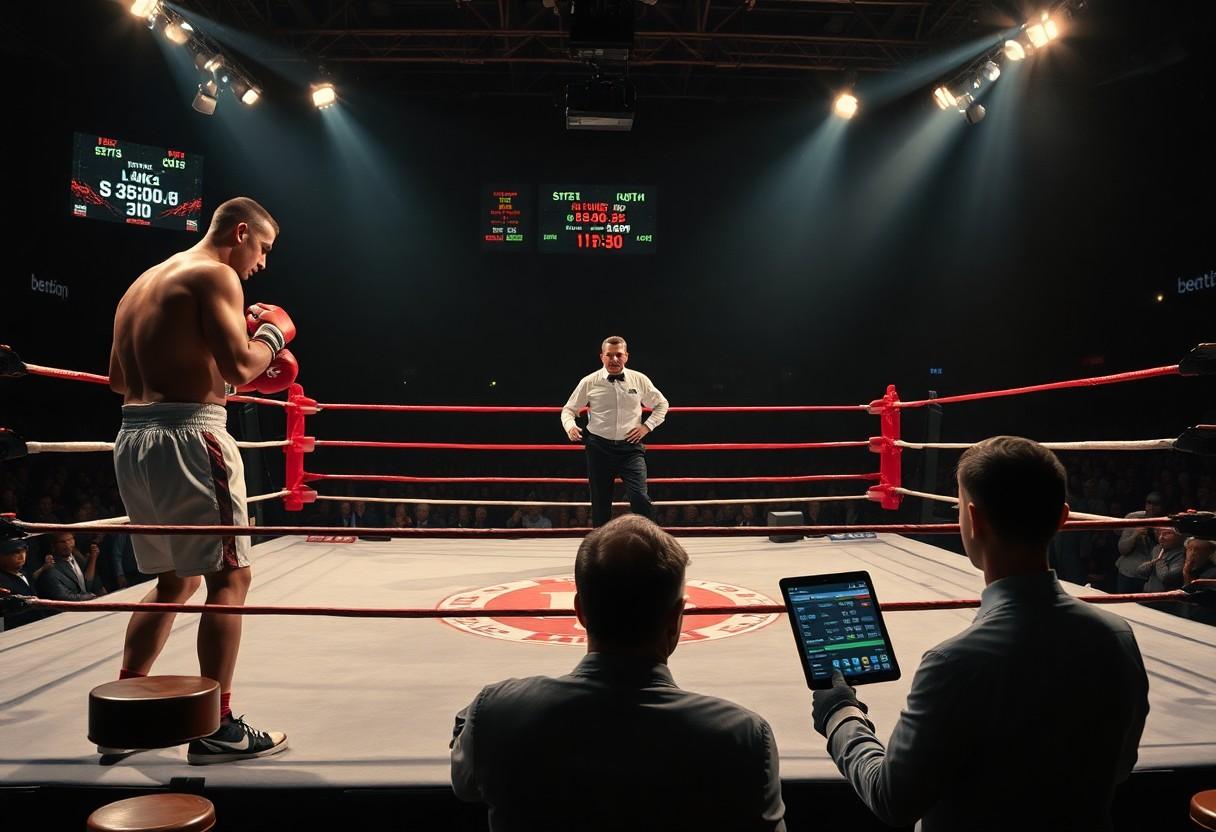
Many successful live bettors parse rounds by watching footwork, energy and punch output to gauge momentum; learning to read guard openings, timing and distance helps spot value odds, while tracking signs like cuts, swelling and fatigue warns of sudden declines, and noting a fighter’s tempo control and counterpunching reveals likely round winners.
Understanding Different Types of Boxing Matches
Pro, amateur, title, exhibition and catchweight bouts each demand different reads: professional fights often feature longer rounds and strategic pacing, while amateurs prioritize quick scoring and volume. Betting smart requires spotting whether the bout is a title fight (often 12×3-minute rounds) or a short showcase where tempo and urgency differ. Use officials, rules and round length to adjust expectations. Recognizing
- Professional
- Amateur
- Title Fight
- Exhibition
- Catchweight
| Professional | Typically 4-12 rounds, 3 minutes per round, scoring via 10-point must system |
| Amateur | Often 3×3 minutes in elite events, emphasis on clean scoring and volume over damage |
| Title Fight | Championship bouts usually scheduled for 12 rounds; pacing and late-round conditioning matter |
| Exhibition | Spares official records, variable rules and protective measures; intensity can be misleading for bettors |
| Catchweight | Agreed weight between classes; can favor one fighter if rehydration or weight-cutting is extreme |
Professional vs. Amateur Boxing
Pro fights reward ring generalship and damage management; title fights use the 10-point must system and often span up to 12 rounds. Amateur bouts, commonly 3×3 minutes, emphasize scoring punches and quick exchanges-AIBA-style rules shifted elite male contests by removing headgear in 2013, altering risk dynamics. Bettors must weigh stamina, finish rate, and experience: a power puncher with few pro rounds behaves differently than an accomplished amateur technician.
Different Weight Classes and Their Impact
Weight divisions-from lightweight (135 lb) to welterweight (147 lb), middleweight (160 lb), cruiserweight (200 lb) and heavyweight (>200 lb)-shape fight tempo: lighter classes favor speed and volume, heavier classes amplify single-shot power and stoppage potential, altering live-bet expectations.
Pacing, punch momentum and stoppage likelihood change dramatically across divisions: heavyweights can end fights with one punch (e.g., many high-profile heavyweight KOs), while lightweights often win on sustained output and accuracy-consider Vasyl Lomachenko’s high-output tactic versus a heavy hitter’s single-shot plan. Coaches adjust corner strategy and conditioning accordingly; short-term swelling and cut risk matter more at certain weights. Recognizing how weight alters pace, power and stoppage probability sharpens live-betting reads.
Key Factors to Consider When Watching a Match
Scan the ring for pacing, punch output, and who’s dictating distance: a fighter landing >40% of power shots while pushing the action often controls rounds, whereas an accurate counterpuncher winning exchanges lands fewer but cleaner blows. Watch corner adjustments, mid-fight cuts, and judges’ positioning for close rounds. This sharp, moment-to-moment assessment informs smarter live bets by spotting momentum shifts before odds react.
- Stamina
- Power
- Accuracy
- Ring control
- Injury history
- Fight tempo
Fight Styles and Techniques
Pressure fighters who average high output try to wear opponents down while counterpunchers rely on timing and single-shot efficiency; note a southpaw advantage when orthodox fighters struggle with angle management. Watch for feints, pivots, and change-of-levels-Lomachenko-style angles or Tyson-like uppercut bursts can flip rounds. Effective footwork and a tight guard are positive signs; repeated overcommitting or flat-footed entries are dangerous.
Physical Condition and Injury History
Age, recent activity, and scar/tape patterns tell a lot: fighters inactive >12 months often show decreased speed, and those fighting past 35 can display slower recovery between rounds. Visible swelling, a guarded shoulder, or limping are immediate red flags for in-fight decline.
Check camp reports and past fight logs-multiple surgeries, especially on hands or shoulders, correlate with reduced output and a higher chance of corner stoppage; for example, boxers with two+ major surgeries in three years typically see a measurable drop in volume. Track how a fighter handled earlier rounds in recent bouts: fading after round 6 or a loss of accuracy by round 4 signals conditioning or injury risk that sharp bettors exploit.
Step-by-Step Guide to Reading a Match in Real Time
Track the fight like a stopwatch: count jabs and power punches per round, note accuracy and defense, and mark physical signs-cuts, swelling, gait changes-every minute. Use simple thresholds (e.g., a sustained >20% drop in punch output or a knockdown) to flag momentum shifts, then adjust live stakes based on projected rounds left in a 12-round bout and the fighter’s recovered output within a 30-60 second window.
Quick Steps
| Step | What to watch / Why it matters |
| 1. Range & stance | Identify who controls distance; a switched-stance fighter creating angles often forces defensive lapses. |
| 2. Punch output | Count jabs vs. power shots; an active jab (40-70/minute) usually dictates rounds. |
| 3. Accuracy & defense | Track landed ratio; a fighter landing >30% of power shots is on the front foot. |
| 4. Bodywork & damage | Note body shots and swelling-persistent body attack reduces output later rounds. |
| 5. Corner adjustments | Timeout fixes (guard changes, pace) show which corner adapts faster between rounds. |
| 6. Momentum signals | Knockdowns, glassy eyes, or a 20%+ output drop are immediate red flags for bet shifts. |
Analyzing the Fighters’ Strategies
Spot the primary game plan within the first two rounds: a pressure fighter will average higher forward steps and body shots, while a counterpuncher waits for openings and lands higher-percentage hooks. Quantify by round: if one boxer lands >60% of counters in round 2, they’re exploiting timing; if the opponent’s jab rate falls by >30% under pressure, that signals failing range control and invites late-round vulnerability.
Observing Changes in Momentum
Watch for abrupt signs: a knockdown, visible swelling, or a drop in punch output >20% are immediate momentum changers. Also note behavior-excessive clinching, frequent mouthpiece spits, or a fighter suddenly backing up indicate fatigue or damage; these are high-probability indicators that odds will swing and the bout trajectory can reverse within a single round.
When momentum shifts, the market reacts fast: expect live odds to move sharply after a knockdown-often by 30-50%-and cash-out values to change within seconds. Track cumulative metrics (punches landed per round, body shot frequency) across rounds 4-8; sustained body attacks or corner warnings commonly precede stoppages, so size live bets when patterns persist for two consecutive rounds.
Tips for Smarter Live Bets
- Timing
- Ring generalship
- Damage output
- Stamina trends
Scale stakes after observing opening rounds: if a fighter lands >20 significant strikes in R1 or controls the center, increase size; if output drops by 30% from one round to the next, reduce exposure. Watch referee warnings and corner changes, use cash-out on sudden momentum swings, and keep live bets ≤2% of bankroll per wager. Recognizing late-round fades and short recovery windows turns observation into profit.
Timing Your Bets
After round 1 is the cleanest entry: judges’ lean, visible wear, and corner fixes reveal real value, and lines commonly move 5-15% by the bell. Place smaller stakes when a fighter’s punch output drops >25% or when a cut opens-both raise stoppage probability. Monitor odds spikes as contrarian cues and keep bets tied to a 2% bankroll rule for live plays.
Utilizing In-Match Insights
Count landed shots per round and compare exchange rates: a boxer averaging 30-40 meaningful punches versus an opponent at 10-15 signals control. Note stance switches, clinch frequency, and whether power punches consistently land in clusters-those patterns forecast outcomes better than superficial aggression. Highlight cut severity and stamina drop-offs as immediate value drivers.
Use real examples: when a fighter connects on 40+ significant strikes in rounds 1-2 while absorbing <15, bookmakers often adjust implied win chance by 10-20% by round 3-creating opportunistic live odds on the aggressor. Track round-by-round CompuBox trends and correlate with corner pacing; an 8-10% decline in connect rate across rounds 2-4 commonly predicts late-round vulnerability.
Pros and Cons of Live Betting on Boxing
| Pros | Cons |
|---|---|
| Fast odds that reflect real-time momentum shifts | Rapid price swings that can wipe out value |
| Ability to hedge or lock profits after a swing | Higher in-play vig/fees than many pre-match markets |
| Exploit visible signs: cuts, stamina, punch count | Streaming or feed latency creates stale pricing risk |
| Wide range of micro-markets (round, method, totals) | Thin liquidity on niche props limits stake size |
| Short feedback loop accelerates skill development | Emotional chasing after losses leads to overtrading |
| Opportunity to react to referee or corner behavior | Bookmakers often shorten lines quickly after visible events |
| Can capitalize on bookmaker slow adjustments | Account limits or suspended markets after big wins |
| Use live stats (SS, connect rates) to refine edge | Technical outages or bet rejections during volatile moments |
Advantages of Real-Time Betting
Live betting gives you the chance to capture value immediately after a knockdown or decisive round: odds on a fighter can shorten by 20-50% within seconds on major books, and markets update every few seconds. Betting after seeing corner work or a visible cut lets you size stakes with more information, hedge losing pre-fight positions, and exploit slow-market adjustments for quick edge extraction.
Risks and Challenges
In-play markets carry amplified hazards: streaming delays of 2-7 seconds, increased vigorish (often adding up to 5-10% cost), and sudden stake limits. Liquidity can fall from thousands to a few hundred dollars after big swings, and that combination makes execution and bankroll control harder than pre-fight wagering.
More specifically, mismatched feeds can cause bettors to place wagers on prices already moved by sportsbooks’ models; a $1,000 intended hedge may be down to a $50 max within a minute. Adopt strict staking (e.g., 1-2% of bankroll per live trade), predefine stop-losses, and prefer markets on books with sub-second pricing and transparent liquidity to mitigate technical and behavioral risks.
Common Mistakes to Avoid When Betting Live
Emotional vs. Rational Decision Making
Momentum swings trigger impulsive stakes: after an early knockdown many bettors chase losses or double their wager, turning a planned 1-3% bankroll bet into an oversized risk. Use fixed stake rules, limit single-live bets to no more than 5% of bankroll unless numbers justify it, and set a pre-game stop-loss. Historical data shows disciplined sizing reduces long-term variance far more than gut calls during adrenaline-fueled rounds.
Ignoring Pre-Fight Research
Overlooking styles, recent output and basic stats kills edge: check a fighter’s KO%, last three-fight punch output, reach differential and any 5+ year age gap-these predict late-round fatigue and power exchange. For example, a pressure fighter averaging 40 punches/round versus a counterpuncher at 25 will likely win rounds 1-6 on volume; failing to spot that loses live-value opportunities.
Dive deeper into camp and weigh-in intel: missed weight, a short-notice replacement or a late trainer change materially alters output and ring IQ. Track travel, altitude, recent layoffs (ring rust) and medical notes-these factors flip live probabilities faster than mid-fight hype and often move lines before public bettors react.
To wrap up
Now apply live-reading skills-watch stance, punch rate, balance, and breathing; note tempo shifts, damage accumulation, and corner signals-to make disciplined, data-driven wagers. Combine short-term trends with pre-fight analysis, size up momentum before staking, use stop-loss limits, and prioritize value bets to improve long-term profitability.
FAQ
Q: What immediate signs during a round indicate a fighter is gaining or losing momentum?
A: Pay attention to punch output and accuracy (who lands the cleaner, harder shots), changes in footwork and balance, and frequency of successful counters. Body shots that slow a fighter’s movement, a guard that drops more often, or longer recovery between exchanges signal fatigue. Watch corner behavior between rounds – frantic adjustments, ice, or frantic shouting often mean trouble; calm, measured instructions usually mean a plan is working. Referee treatment (allowing brawling vs breaking clinches) and visible damage (cuts, swelling, blood, wobble) also shift momentum quickly and affect later betting value.
Q: How should I structure live-betting decisions to find value and limit losses?
A: Size bets relative to confidence and changing information: wait several exchanges or a round to confirm patterns before committing large stakes. Use smaller, targeted wagers on round props or in-round outcomes when a clear tactical edge appears (e.g., a boxer repeatedly switching to effective body work or an opponent tiring). Hedge or scale into positions as momentum becomes clearer, and use cash-out only when it locks acceptable profit versus projected risk. Track line movement – sudden odds shifts can reflect market recognition or sharp money; follow gradually rather than chasing wild swings. Preserve bankroll by setting max exposure per fight and avoid overreacting to single punches unless they cause significant visible damage or a knockdown.
Q: How do real-time scoring cues and officiating tendencies affect predictions for rounds or the final decision?
A: Apply the 10-point must criteria in real time: clean, effective punches; effective aggression; ring generalship; and defense. Close rounds often go to the more aggressive, visible fighter even if the counterpuncher lands cleaner shots, so identify rounds likely to be scored narrowly. Note knockdowns and point deductions – they swing scores heavily and change betting value immediately. Observe referee and local judging tendencies early in the bout (do judges reward volume or power?), and factor how visible damage and crowd reaction might bias close cards. Use this read to prefer round bets, late-round stoppage props, or to hedge a leader who is accumulating damage or gassing in later rounds.