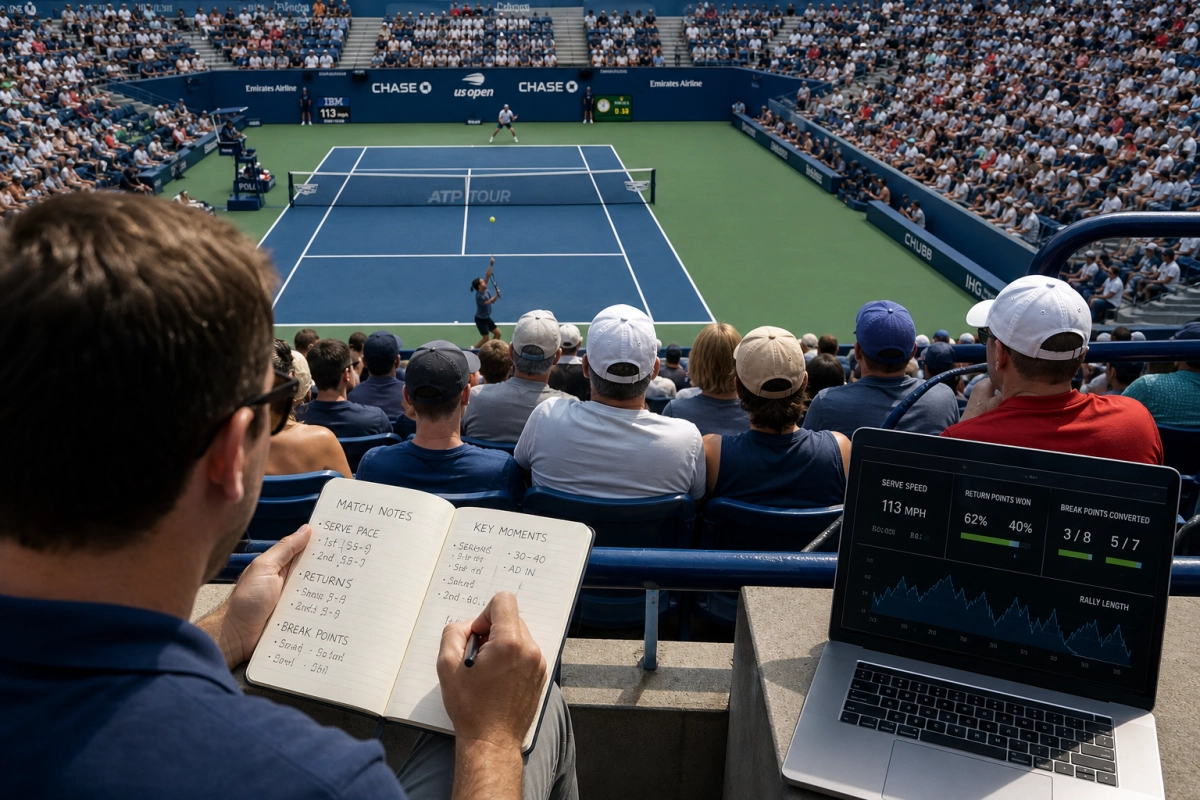

Why timing is the decisive edge in live football betting
You already know that live (in-play) betting is fast-paced, but what often separates winners from losers is not just knowledge of teams or statistics—it’s timing. When you place a bet during a match, you’re competing with bookmakers and a market that constantly updates odds based on events, sentiment, and new information. Learning to time your moves lets you capture value before the market corrects, limit exposure when uncertainty spikes, and exploit patterns that appear only in the flow of a game.
Think of timing as a combination of situational awareness and patience. You won’t always take a position; sometimes the right play is to wait. By training your attention to the right signals—momentum shifts, substitution patterns, and market reaction—you’ll increase the probability that your stakes align with genuine value rather than noise.
How on-field events and market prices interact in the first half
Early in the match, prices react quickly but often overreact to single events: a near-miss, an early booking, or a corner sequence. Bookmakers price in risk and information asymmetry; they’ll widen or shorten odds to balance exposure. As a live bettor, you can exploit this if you understand which events typically lead to temporary inefficiencies.
- Set-piece sequences: Multiple corners or attacking phases raise perceived scoring likelihood before the data justifies it. Odds often shorten disproportionately and then drift back if no goal follows.
- Early pressure vs. quality chances: Volume of attacks can be misleading—prioritize clear-cut chances over possession when assessing value.
- Referee influence: An early booking or a home-friendly whistle can tilt aggression and set-piece opportunities; markets price this in quickly, so recognize when the reaction is transient.
Simple early-game timing tactics you can use immediately
Start with conservative timing rules to protect your bankroll while you learn market behavior. These practical tactics let you practice timing without overtrading.
- Delay after major events: Wait 30–90 seconds after goals, red cards, or VAR decisions before placing a bet to let the market absorb the news.
- Trade on momentum reversals: If a team dominates for several minutes without creating quality chances, avoid betting on continued dominance; instead, look for the market to overvalue the pressure.
- Use small probe bets: Place low-stake bets to test how odds shift after a sequence; scale in only if the market shows a sustained inefficiency.
- Set predefined exit points: Decide in advance when you’ll cash out or hedge if the match moves against your timing assumptions.
These early-game approaches build the foundation for more advanced timing strategies—next, you’ll learn how to read live indicators, use statistical signals, and adapt timing tactics to different match contexts.
Reading live indicators: which on-field signals carry predictive weight
Not every on-field event deserves equal attention. Distinguish between transient noise and indicators that historically presage real outcome shifts. Focus on signals that change the underlying probability of a goal — not just feel. Key live indicators to monitor:
- Quality shots, not shot volume: track shots on target and shots from central areas inside the box. A sustained run of low-quality shots (long-range, off-balance) rarely alters true scoring probability even if the market shortens odds.
- Expected goals (xG) flow: minute-by-minute xG accumulation is a better guide than possession. Two high-xG chances in quick succession indicate a genuine spike in scoring probability and often precede market correction.
- Transition vulnerability: look for teams conceding frequent counter-attacks or being caught high after losing possession. These sequences lead to clearer chances and faster odds movement.
- Set-piece pressure: repeated corners or dangerous free-kicks in a short span increase conversion probability — markets may underprice this cluster risk if a team is dominating dead-ball situations.
- Referee and tempo cues: a referee issuing multiple cards can change match tempo (more stoppages, less end-to-end play). Note that markets price this quickly; timing opportunities may be small but exploitable right after the first decision.
Practical rule: prioritize bets when two or more of these indicators align within a short window (e.g., several high-xG shots + corner pressure). That convergence often produces sustained odds inefficiencies you can exploit.
Using statistical signals and models to time your entries
Live models give you a mathematical edge over gut feeling if used correctly. You don’t need to build a full model to benefit—use comparative signals and simple thresholds to time entries.
- Live xG vs. market-implied xG: many trading platforms show live xG. If your live-xG-driven estimate of scoring probability for the next 10 minutes exceeds the market-implied probability by a preset margin (for example, 10–15%), that’s a signal to enter.
- Momentum decay models: quantify how long attacking momentum persists. If historical data shows momentum decays after 6–8 minutes on average, be cautious of bets beyond that window unless fresh indicators appear.
- Odds movement velocity: set alerts for rapid odds shifts (e.g., a 20% shortening within two minutes). Rapid moves are often liquidity-driven and can offer scalping or fade opportunities depending on the trigger.
- Edge sizing by time left: reduce stake as match time decreases and variance rises relative to edge. A 5% edge with 85 minutes on the clock is more valuable than the same edge at 88 minutes.
Implementation tip: use a simple spreadsheet or a small tool that compares live xG and current odds to produce a “signal score.” Bet only when the score crosses your threshold and other live indicators confirm.
Adapting timing to different match contexts
Timing that works in a high-tempo, attacking match will fail in a low-scoring defensive slog. Adjust rules to the context:
- Favorites vs. underdogs: favorites often dominate late but may control tempo to protect a lead. Avoid betting on continued dominance late unless there’s sustained high-quality chance creation; look instead for hedges or Asian lines that capture small edges.
- Low-scoring/closed matches: expect fewer clean chances and longer momentum decay — wait for clear set-piece clusters or red cards before entering.
- High-volatility fixtures (derbies, deranged styles): bet smaller, more frequently—capable of quick reversals but also offering repeated short-term value spots.
- Substitution windows: the 60–75 minute window often yields systemic shifts (fresh attackers, tactical shifts). Predefine how you’ll respond to common patterns: early attacking substitutions by trailing teams often create short-lived odds inefficiencies you can exploit.
By tailoring timing rules to these contexts and tying them to measurable in-play signals, you transform timing from intuition into a repeatable, bankroll-protecting strategy.
Putting timing into practice
- Start every session with defined timing rules: wait windows after major events (30–90s), stake caps for probe bets, and exit thresholds.
- Use a simple live-scoreboard or spreadsheet to record the indicators that trigger each bet (xG spikes, set-piece clusters, substitution patterns) and the outcome; treat it as a testing lab rather than a casino floor.
- Automate alerts where possible: set notifications for rapid odds moves or when live xG crosses your threshold so you don’t miss short windows of value.
- Practice position sizing: scale into opportunities when multiple indicators confirm and scale out or hedge when those signals decay.
Closing notes
Timing is a skill built through disciplined practice, recordkeeping, and willingness to sit out when conditions aren’t right. Treat in-play betting as a series of controlled experiments: define hypotheses, test them with low stakes, record outcomes, and iterate. Protect your bankroll with strict size limits and predefined exits, and keep developing your read of live indicators rather than relying on impulse. For a deeper dive into how live statistical measures like xG are built and used, see understanding expected goals.
Frequently Asked Questions
How long should I wait after a major event (goal, red card, VAR) before placing an in-play bet?
A short delay of 30–90 seconds is recommended so markets can absorb the event and initial volatility subsides. For complex events (VAR reversals, tactical shifts after a red card) extend the wait to several minutes until on-field patterns re-emerge.
Can I rely on live xG alone to time my entries?
Live xG is a powerful signal but should be combined with contextual indicators (quality of chances, set-piece pressure, substitutions). Use live xG as a trigger, then confirm with on-field cues before sizing up your stake.
How should I adjust stakes when timing suggests an edge late in the match?
Reduce stake size as the match approaches full time because variance increases and the same percentage edge is worth less with less time. Predefine smaller maximum stakes for the final 10–15 minutes and avoid overbetting on perceived “sure” late opportunities.